The concluding section highlights the importance of regular maintenance in ensuring long-term building performance and avoiding costly, carbon-intensive replacements.


This guide was co-authored by ReHousing and Ha/f Climate Design and funded by the Neptis Foundation
The Low Carbon Guide for Multiplex Conversions was created as an accessible starting point for non-professionals. It offers practical guidance for balancing cost, performance, and carbon impact with a focus on making informed choices about construction materials and building systems like heating and cooling.

Client:
Ha/f Climate Design People Design Coop
Date:
July 2025
Team:
Ryan Bruer
Juliette Cook
Kelly Alvarez Doran
Samantha Eby
Joel Gilbert Anderson
Miriam Palmer
Janna Levitt
Janice Miyagi
Michael Piper
Rashmi Sirkar
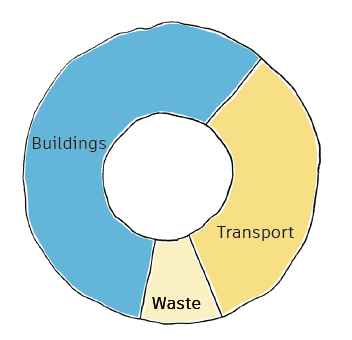
In Toronto, the energy use in existing buildings and greenhouse gas emissions from new construction make up 60% of the city’s carbon emissions.
Climate responsibility is starting to shape large-scale development, but it should also play a role in small projects. We hope citizen developers see their multiplex projects not only as part of the housing solution but also as part of the climate solution. And that this report can serve as a starting point for making sustainable construction decisions. With the right knowledge in the right hands, small choices can add up to make a big difference for both our housing needs and the health of our planet.
Download the report here or scroll down to view it below.
What’s Inside:
Our guide begins with an overview of how buildings contribute to carbon emissions, then offers two main sections of advice.
The first section, Choose the Right Materials, helps users select building materials that reduce embodied carbon.
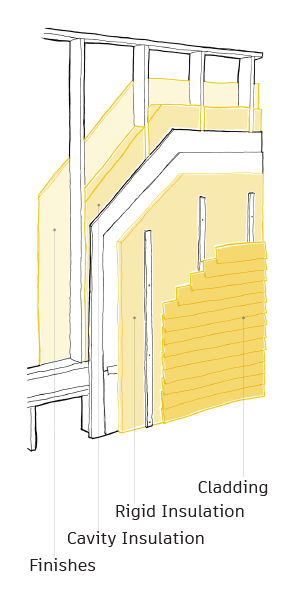
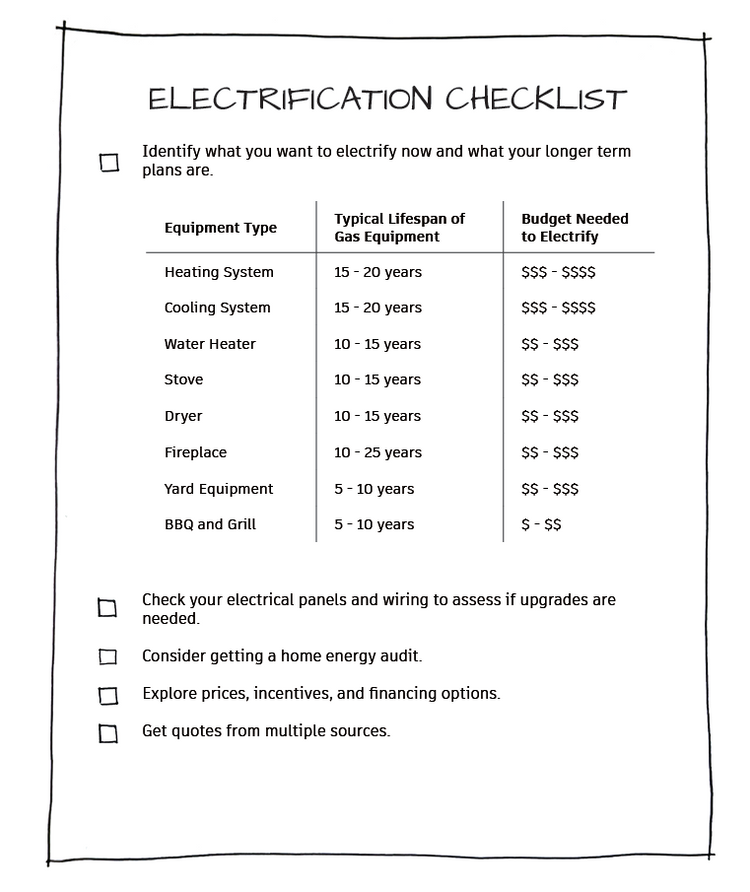
The second section, Lower Your Energy Use, outlines strategies to reduce energy consumption in occupied buildings and minimize operational emissions.
The concluding section highlights the importance of regular maintenance in ensuring long-term building performance and avoiding costly, carbon-intensive replacements.